Decarbonization Plans

Targets are public. Plans are not. 10,000 companies have an SBTi-validated target, up 227% in 18 months. Only 54% are on track for Scope 3. With 2030 less than four years away, the next step is the infrastructure to act on what you’ve already committed to.
Book a demo
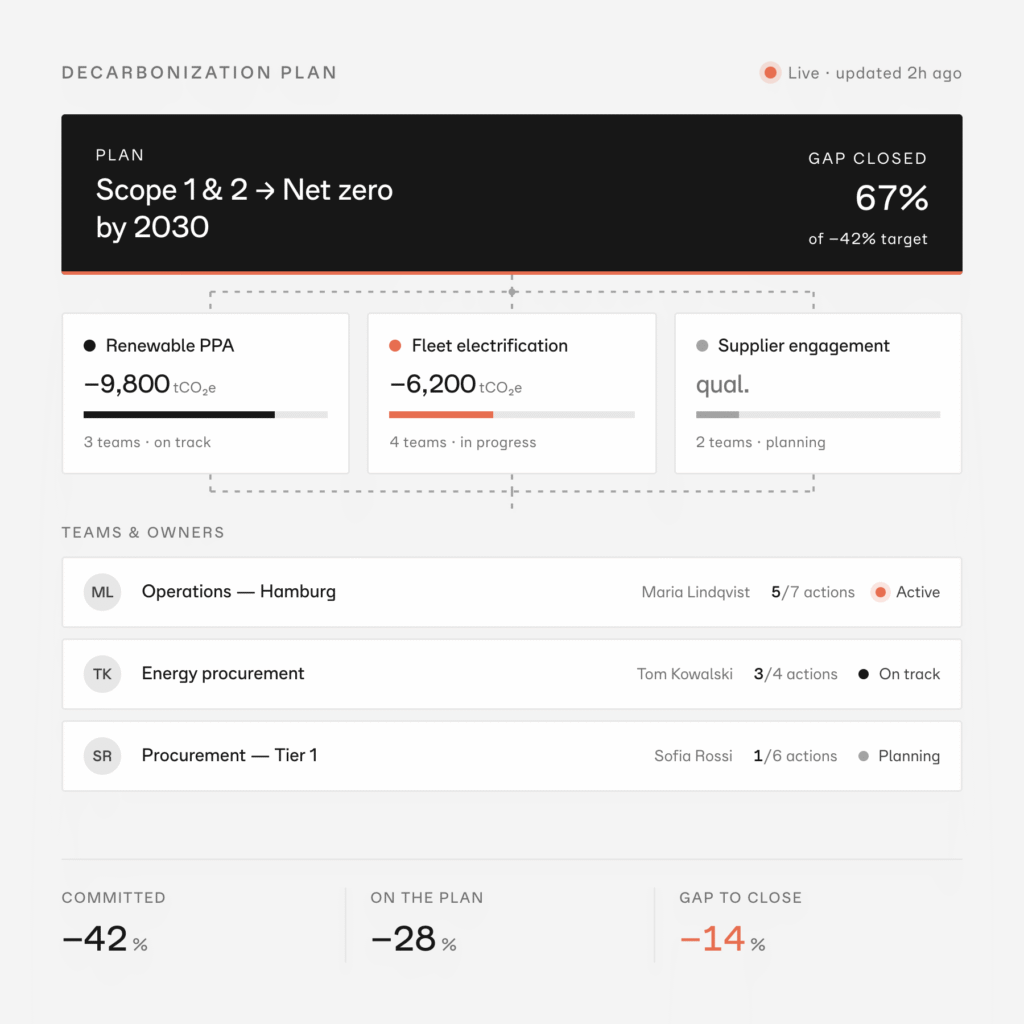
Normative platform screenshot showing a decarbonization plan overview for Scope 1 and 2 net zero by 2030. The plan is 67% toward closing the gap, with three initiatives and team-level progress tracked by named owners.

The value of PCFs

Build the plan. Close the gap.

Decarbonization Plans gives sustainability leads one view of every reduction initiative their company has committed to: the target, the contribution of each business unit, and live progress against the gap. Consultant-built plans get handed over and forgotten. Spreadsheets drift. A subscription that lives inside your platform, used by the team that owns the work, does neither.

Circular flow icon for verified emissions. Every figure in a Normative decarbonisation plan traces back to your verified emissions inventory.
Plans live next to the data that informs them.

Sustainability leads stop reconciling versions across spreadsheets and PowerPoints. The verified emissions data that defines your target also powers the plan to close the gap, with no external model or consultant dependency.

Circular flow icon for compounding value. As teams act on initiatives and update statuses, progress builds inside the Normative decarbonization plan.
Owned by business units. Facilitated by sustainability.

Each Team carries its own actions, statuses, and contribution to the plan, with the sustainability lead facilitating from a single view. Reduction stops being one person’s burden and becomes a process that runs across procurement, operations, and individual sites.

Circular flow icon for compounding value. As teams act on initiatives and update statuses, progress builds inside the Normative decarbonization plan.
Tracks what you can measure and what you can’t.

Not every initiative comes with an emissions number attached. Actions can be tracked without a quantified impact, so qualitative programmes sit in the same plan as quantified ones, not split across a separate PowerPoint.

One plan, three views for the people responsible for the work.

How different teams use Decarbonization Plans

Heads of Sustainability

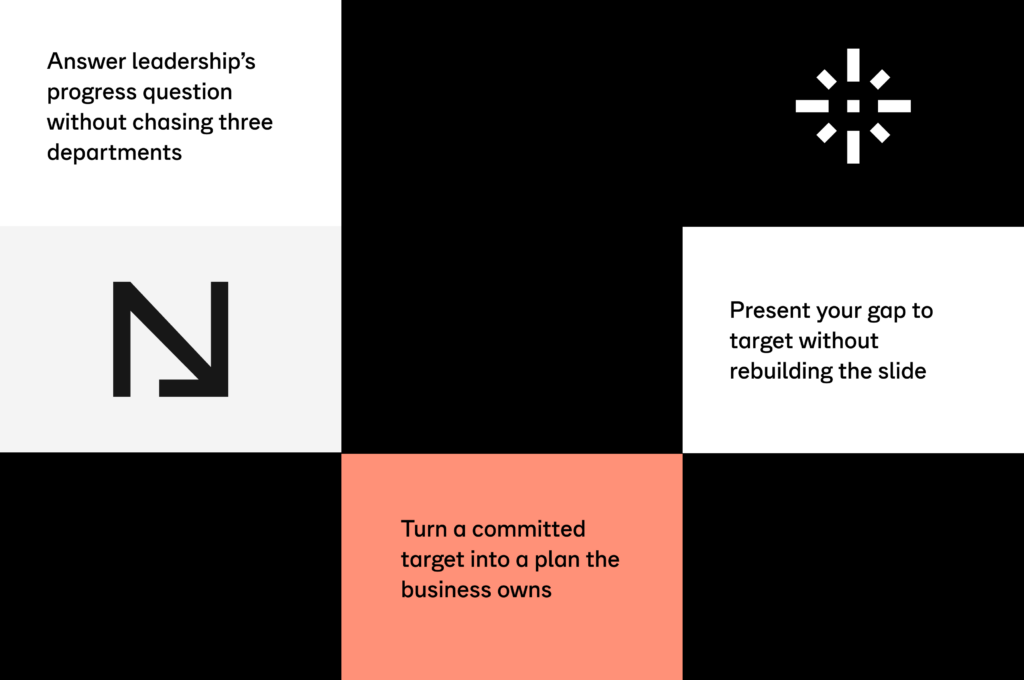
The plan overview answers the question leadership keeps asking: are we on track? It shows your gap to target with contribution broken down by initiative, team, or year. The result is a defensible view of progress you can take to the board, to investors, or to a parent company without chasing files across three departments.

Jobs to be done graphic for Heads of Sustainability using Normative Decarbonization Plans. Three use cases: answer leadership questions, present gap to target, and turn a committed target into a plan the business owns.
Initiative Leads

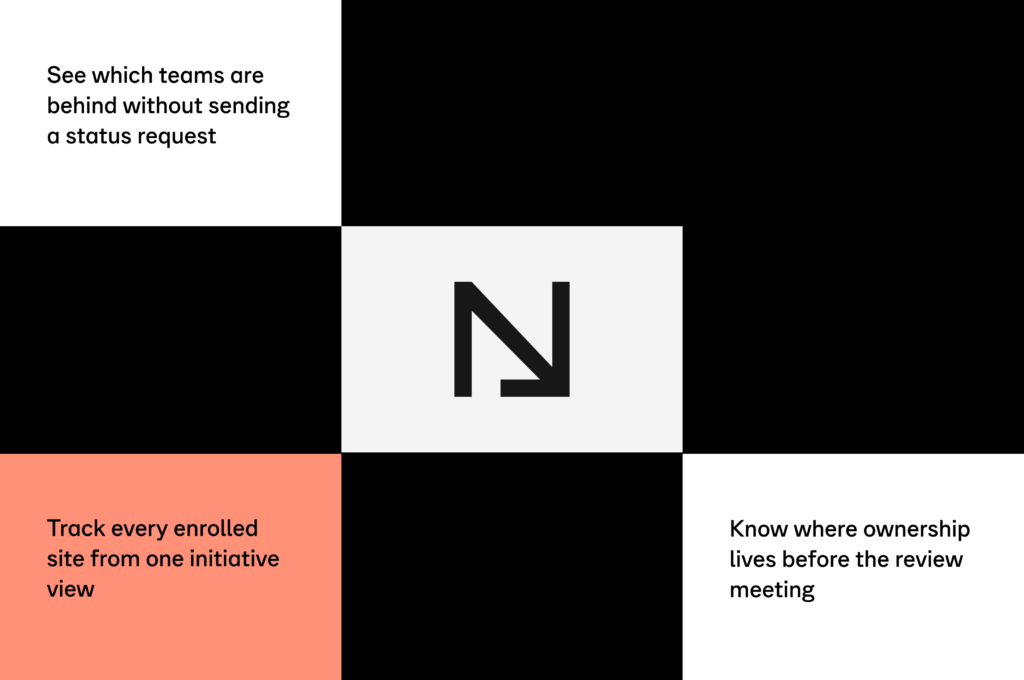
The initiative overview shows every Team enrolled in a programme, every Action assigned to each Team, the total estimated impact, and a timeline derived from action dates. You see what’s progressing, what’s blocked, and where ownership lives, without sending a status request to every site.

Jobs to be done graphic for Initiative Leads using Normative Decarbonization Plans. Three use cases: see which teams are behind, track every enrolled site, and know where ownership lives before the review meeting.
Business Unit Leads

The team overview shows every Initiative your team is enrolled in, the Actions you own, current statuses, and how much your team is contributing to the overall reduction. You see exactly what you’re responsible for and how it fits into the company’s plan, in your own view rather than buried in a sustainability team’s spreadsheet.

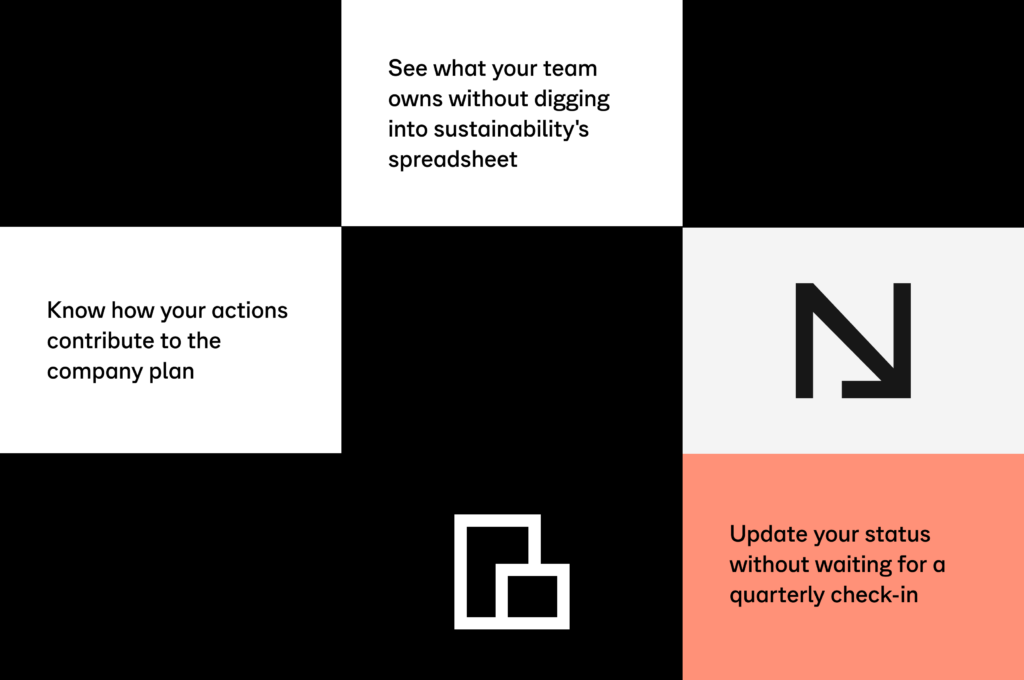
Jobs to be done graphic for Business Unit Leads using Normative Decarbonisztion Plans. Three use cases: see what your team owns, know how actions contribute to the plan, and update status without a quarterly check-in.

How Decarbonization Plans work

A structured process, not a workshop output.

Move from a target on a slide to a plan with named owners, contributions, and a live view of progress. No specialist knowledge required to get started.

Book a demo
  • Set up your plan

    Create a plan against your stated target, for example scope 1 and 2 to net zero by 2030. You enter your baseline year and most recent emissions manually in v1 (automated pull from your Normative footprint is on the roadmap), then define the initiatives that will close the gap.

  • Enroll your teams

    Assign each initiative to the business units, sites, or departments responsible for it. Each team gets its own view with the actions they own, their statuses, and how much they are contributing to the plan.

  • Track your gap to target

    The plan overview shows your gap to target with contribution broken down by initiative, team, or year. Teams update statuses as work moves, so leadership sees live progress instead of waiting for the next quarterly slide.

Book a demo

FAQs

Most of our customers do, and spreadsheets work until leadership asks “are we on track?” and the answer takes a week. The plan is disconnected from the emissions data that informed it, ownership blurs across version control, and there is no live view of progress. Decarbonisation Plans gives those commitments a structured home next to the data they reference.

Every emissions number in Decarbonisation Plans is traceable to your Normative inventory and the 350,000 emission factors that inform it. When an auditor asks why a reduction initiative was prioritised, you can show the calculation chain. This is the difference between a defensible record and a consultant’s slide.

Not in v1. Baseline and most recent emissions are entered manually when you set up a plan, typically a one-time setup using numbers already in your platform or recent sustainability report. Automated connection to live emissions is on the roadmap. A guided session is available if your data spans multiple subsidiaries or units.

Not directly. Scope 3 supplier engagement is a separate problem that Decarbonisation Plans doesn’t solve. The module tracks the actions your team and business units take on emissions you already measure. If you need supplier engagement workflows, that’s worth a conversation on its own, and Decarbonisation Plans can house the actions those conversations eventually produce.

Yes, and the module was designed for this. Actions can be tracked without a quantified impact, so qualitative initiatives sit in the same plan as quantified ones. Not everything in a reduction plan can be quantified, and splitting qualitative work into a separate PowerPoint is exactly what most companies are trying to escape.

Setting up the Plan itself typically takes a few minutes for a sustainability lead who knows the company’s target and recent emissions. Enrolling teams and defining initiatives takes longer and is best done collaboratively. For multi-site organisations, Decarbonisation Plans works as a facilitation layer for the sustainability lead, not an autonomous dashboard that expects every site to self-update.

See how your plan would come together. Talk with our team.

A 30 minute conversation with one of our climate specialists, focused on your targets and the business units that will own the work.

Book a demo