How to set emission reduction targets that drive climate and business impact
Find out how your company can move from carbon measurement to impactful climate action by setting robust, science-based emission reduction targets with Normative.

Measuring emissions is no longer a differentiator; it’s a baseline expectation. Leading companies set themselves apart by how they act on their data – setting emission reduction targets is a perfect example. By translating climate ambition into structured, measurable progress, they are essential for making decarbonization a strategic part of business planning.
Setting science-aligned targets ensures that your organization is not just meeting internal goals, but making credible contributions to the global effort to limit warming to 1.5°C, in line with the Paris Agreement. This article will outline:
- Why setting these targets matters to your business
- The different types of targets your business could set
- How Normative’s platform and Climate Strategy Advisors can guide you through the process
Why your business needs emission reduction targets
Setting robust targets does more than signal intent. It delivers tangible benefits across operations, compliance, and stakeholder engagement:
- Drive decarbonization: Targets provide a roadmap to cut emissions across your operations, supply chain, and investments. According to the Boston Consulting Group, companies that set validated targets are 1.9 times more likely to achieve measurable decarbonization outcomes.
- Align with global climate goals: Science-based targets ensure reductions are in line with the latest climate science. The International Sustainability Standards Board has established a new global baseline for climate reporting that emphasizes target setting, metrics, and progress. The UK is already embedding this into regulation through the UK SRS (Sustainability Reporting Standards).
- Support strategic decision-making: Targets help allocate resources effectively and guide investments in innovation and efficiency. Storing and tracking targets is what enables real action.
- Ensure regulatory readiness: Frameworks like CSRD, SFDR, and SECR increasingly require target disclosure.
- Attract investors: Verified targets demonstrate risk preparedness and climate alignment to capital markets.
Types of targets and how Normative helps set them
Different business models and growth stages call for different target types. Normative’s Target Setting tool enables businesses to define and track their emission reduction ambitions with precision by supporting three core approaches:
- Absolute targets: Reduce total GHG emissions over time (e.g., 50% reduction in Scope 1 and 2 emissions by 2030).
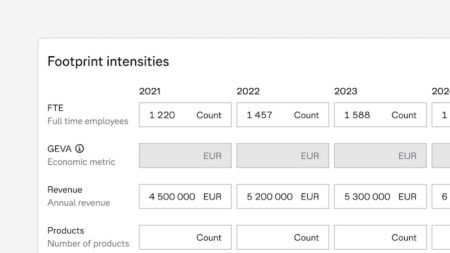
- Intensity targets: Reduce emissions relative to output (e.g., CO₂e per € revenue or per product).
- Engagement targets: Involve suppliers in setting their own science-based targets to drive value chain decarbonization.
These targets can be short-term (5–10 years) or long-term (Net Zero targets by 2040–2050), aligning with SBTi guidance.
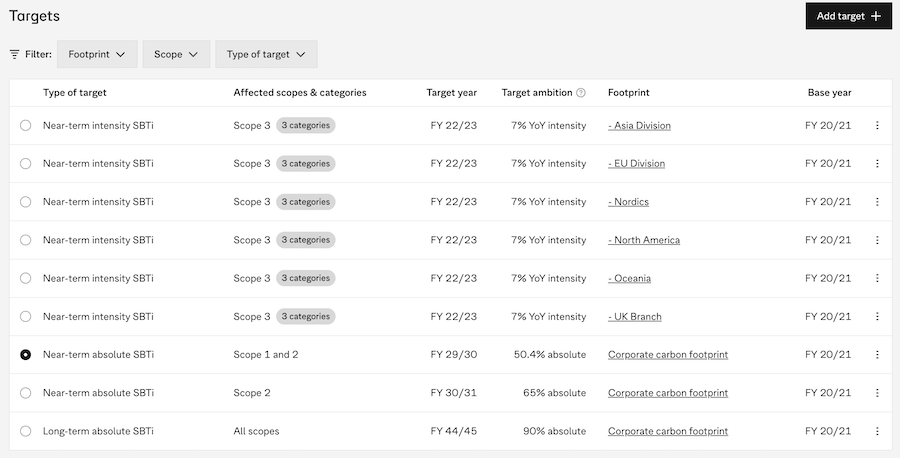
Normative’s tool supports:
- Selection of target type: SBTi-validated or Custom
- Specification of a base year for measurement
- Assignment of the target to a specific Footprint (corporate, product, or site)
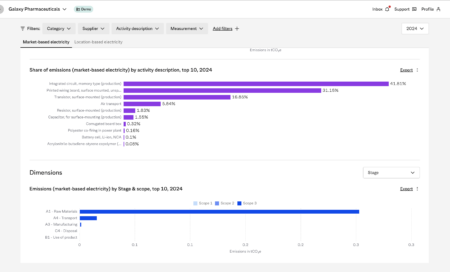
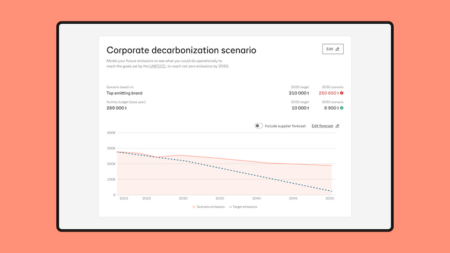
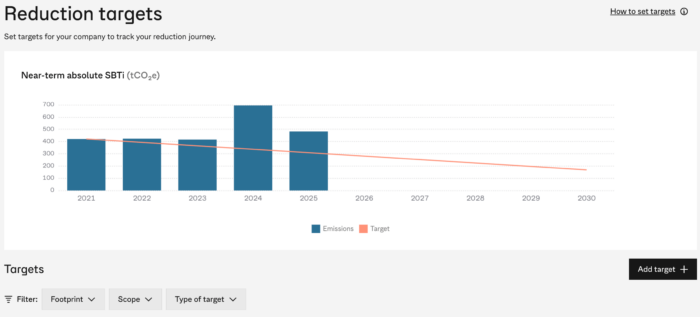
- Visual tracking of progress via a dynamic emissions trajectory chart
This integrated approach ensures clarity, accountability, and progress visibility for all target types.
Ready to set targets that matter?
Whether you’re preparing for CSRD compliance or building a Net Zero roadmap, Normative’s platform and expert guidance can help you:
- Align with the SBTi
- Set and track meaningful, measurable targets
- Create long-term value through credible climate action
The Road to Net Zero: SBTi’s New Mandates Explained
Find out what the latest Science Based Targets initiative (SBTi) updates mean for your business’ climate strategy, in our expert-led webinar.